
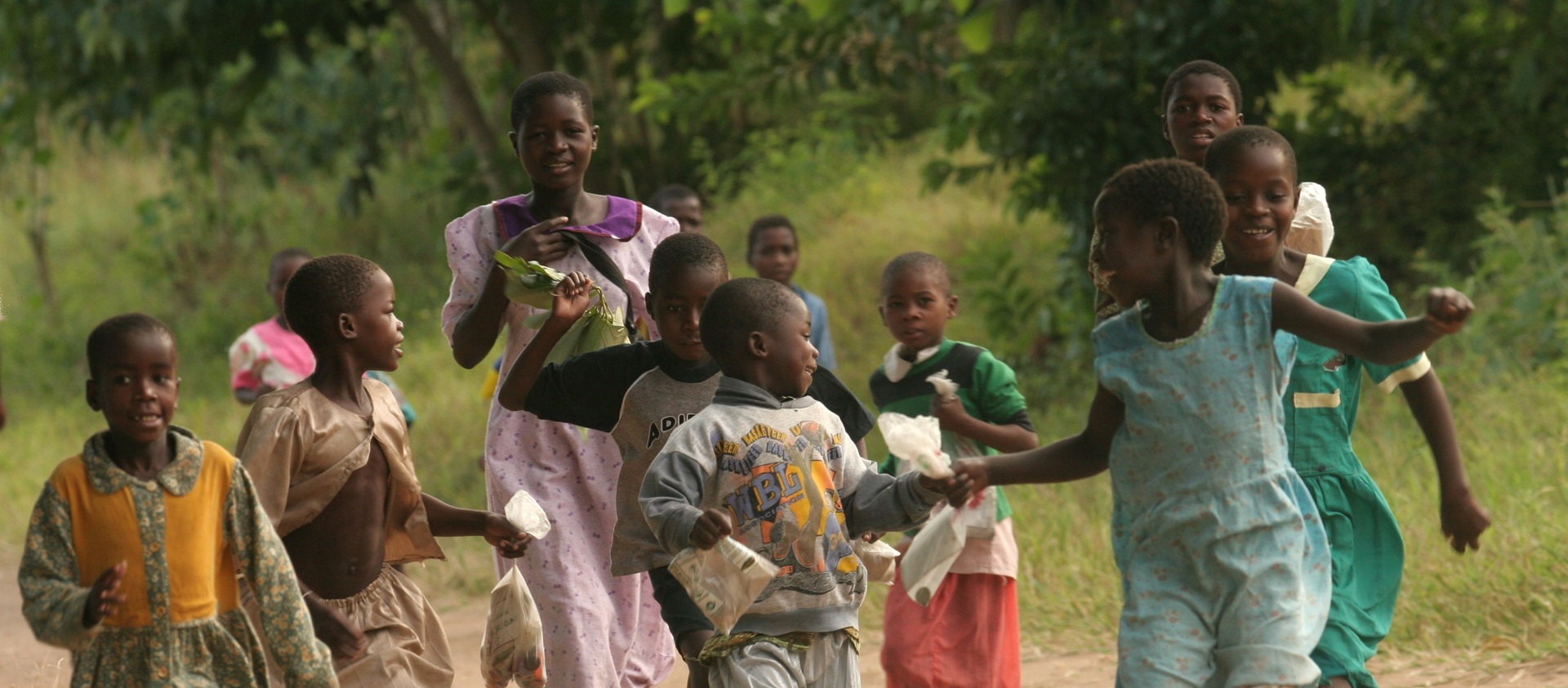
WHO/Stephenie
© Credits

Improving the mental and brain health of children and adolescents

Childhood and adolescence are critical stages of life for mental health. This is a time when rapid growth and development take place in the brain. Children and adolescents acquire cognitive and social-emotional skills that shape their future mental health and are important for assuming adult roles in society.

The quality of the environment where children and adolescents grow up shapes their well-being and development. Early negative experiences in homes, schools, or digital spaces, such as exposure to violence, the mental illness of a parent or other caregiver, bullying and poverty, increase the risk of mental illness.

Mental health conditions, such as childhood epilepsy, developmental disabilities, depression, anxiety and behavioural disorders, are major causes of illness and disability among young people. Worldwide, 8% of children and 15% of adolescents experience a mental disorder, but the majority of them do not seek help or receive care. Suicide is the third leading cause of death in 15-29 year-olds. The consequences of not addressing mental health and psychosocial development for children and adolescents extend to adulthood and limit opportunities for leading fulfilling lives. 

WHO supports Member States in the development and implementation of multisectoral, evidence-informed and human-rights-based strategies for the promotion of mental health, prevention of mental health conditions and provision of mental health care for children, adolescents and their families. 

15% of adolescents

experience a mental disorder

find out more

50%

of mental health

half of mental health conditions starts by age 18

learn more

Initiatives

UNICEF and WHO Joint Programme on Mental Health and Psychosocial Well-being and Development of Children and Adolescents

In 2022, UNICEF and WHO launched a catalytic Joint Programme on Mental Health and Psychosocial Well-being and Development of Children and Adolescents.

WHO-UNICEF Helping Adolescents Thrive Initiative

The Helping Adolescents Thrive (HAT) Initiative is a joint WHO-UNICEF effort to strengthen policies and programmes for the mental health of adolescents.

Training for caregivers of children with developmental disabilities, including autism

More than 50 million children have a developmental disability such as an intellectual disability, autism, or a speech disorder.

Scaling parenting support through healthcare systems for stronger families

WHO is committed to expanding evidence-based parenting interventions through health and allied sectors.

News

All →

Related news and stories

Qatar and International Partners Launch Global Autism Advocacy Coalition at UN General Assembly

International community urged to join Global Autism Advocacy Coalition, founded by QF, WHO, UNICEF, and Autism Speaks.

Supporting parents and health professionals to assist children with developmental disorders in Latvia

A 2-week training programme is currently underway in Latvia to strengthen support for the families of children with developmental delays or disorders.

Publications

The role of the health sector in supporting parents and caregivers to meet their parenting potential

Supporting parents and caregivers requires a whole-of-society approach, with coordinated responses from the health, education, social services, private...

Mental health atlas 2024

WHO’s Mental Health Atlas is a periodic survey and report of countries’ mental health policies and programmes, laws, information systems, financing,...

Early Adolescent Skills for Emotions (‎EASE)‎: training manual for a group psychological intervention for young adolescents affected by distress

Early Adolescent Skills for Emotions (EASE) is an evidence-based group psychological intervention to help 10–15-year-olds affected by internalizing...

Teacher’s guide to the Magnificent Mei and Friends Comic Series

The second edition of the Teacher’s Guide was developed as part of the WHO-UNICEF Helping Adolescents Thrive initiative. It is designed to be used...

The comic story of Magnificent Mei and friends

The Comic Story of Magnificent Mei and Friends was developed as part of the WHO-UNICEF Helping Adolescents Thrive initiative. The story is for adolescents...

Mental health of children and young people: service guidance

Mental health conditions are prevalent and often develop early in life. Yet very few of the world’s children and young people receive the mental...

Early Adolescent Skills for Emotions (EASE)

Early Adolescent Skills for Emotions (EASE) is an evidence-based group psychological intervention to help 10–15-year-olds affected by internalizing...

Mental Health Gap Action Programme (mhGAP) guideline for mental, neurological and substance use disorders

The mhGAP guideline supports countries to strengthen capacity to deal with the growing burden of mental, neurological and substance use (MNS) conditions...

Global report on children with developmental disabilities

Developmental disabilities are common. Yet, children with developmental disabilities have been neglected in health systems planning and policy provisions...

UNICEF and WHO joint programme on mental health and psychosocial well-being and development of children and adolescents

Building on their respective expertise and experience, UNICEF and WHO are working together to accelerate action for children and adolescents’ mental...

Caregiver skills training
for families of children
with developmental
delays or disabilities - Introduction

This is the first part of a five-part package that provides guidance on caregiver skills training for families of children aged 2–9 years with developmental...

Caregiver skills training
for families of children
with developmental
delays or disabilities - Adaptation and implementation guide

This adaptation and implementation guide is part of a five-part Caregiver skills training for families of children with developmental delays or disabilities...

Caregiver skills training
for families of children
with developmental
delays or disabilities - Facilitators’ guide: group sessions 1–9

This facilitators’ guide is part of a five-part Caregiver skills training for families of children with developmental delays or disabilities (CST)...

Caregiver skills training
for families of children
with developmental
delays or disabilities - Participants’ guide: group sessions 1–9

This participants’ guide is part of a five-part Caregiver skills training for families of children with developmental delays or disabilities (CST)...

Caregiver skills training
for families of children
with developmental
delays or disabilities - Home visit guide for facilitators

This guide is part of a five-part Caregiver skills training for families of children with developmental delays or disabilities (CST) package providing...

Helping Adolescents Thrive Toolkit

This publication, produced by the World Health Organization and UNICEF, has been developed to support the implementation of the  WHO Guidelines...

Magnificent Mei and Friends: Comic 1

UNICEF and the World Health Organization created the first in a series of Magnificent Mei comics and an accompanying Teacher’s Guide to support...

Teacher's Guide
18 May 2021

Teacher's Guide

UNICEF and the World Health Organization created the first in a series of Magnificent Mei comics and an accompanying Teacher’s Guide to support...

Guidelines on mental health promotive and preventive interventions for adolescents

The Guidelines on promotive and preventive mental health interventions for adolescents - Helping Adolescents thrive (HAT), provide evidence-informed recommendations...